Written by Clear Restoration | Published on July 2025
A sewage backup in your home is one of the most urgent water damage situations you can face, and knowing what to do in the first 30 to 60 minutes can make a significant difference in damage and cleanup costs. Sewage backups expose your home to Category 3 water, the most contaminated type, carrying bacteria, viruses, and parasites that pose serious health risks.
This article covers the main causes of sewage backups, the health and structural risks involved, and a clear step-by-step plan for what to do when it happens. We also include local context for homeowners in Annapolis, Columbia, Glen Burnie, Laurel, Odenton, and surrounding communities in Anne Arundel and Howard County.
Understand What Causes a Sewage Backup in Your Home
Sewage backups do not happen randomly. There is almost always a specific cause, and identifying it helps determine the right fix and prevents recurrence.
- Clogged main sewer line: Grease, wipes, and debris build up over time and eventually block flow entirely.
- Tree root intrusion: Older neighborhoods in areas like Annapolis and Laurel have mature trees whose roots crack and infiltrate clay or older PVC sewer lines.
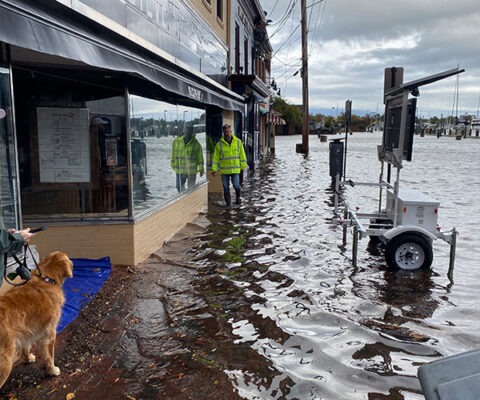
- Municipal sewer overflow: Heavy rainfall overwhelms public sewer systems, pushing sewage back into connected homes. This is common in low-lying areas near the Chesapeake Bay tributaries in Edgewater and Pasadena.
- Damaged or collapsed pipes: Aging infrastructure, ground shifting, or previous repairs that failed can cause pipe collapse.
- Improper items flushed: Flushable wipes, paper towels, and hygiene products are leading causes of residential backups.
- Failed sump pump or floor drain: If your basement drain connects to the sanitary sewer and backs up during storms, this is a drainage design issue.
In communities like Crofton, Gambrills, and Odenton, newer housing developments sometimes have sewer lines that still need maintenance as they age past 15 to 20 years. Do not assume a newer home is immune to backup issues.
Recognize the Health Risks of Sewage Exposure
Sewage water is classified as Category 3 or black water by the IICRC, the industry standard for water damage restoration. This classification means the water contains pathogens that can cause serious illness even with brief exposure.
| Pathogen Type | Examples | Health Risk |
|---|---|---|
| Bacteria | E. coli, Salmonella, Leptospira | Gastrointestinal illness, fever, kidney damage |
| Viruses | Hepatitis A, Norovirus | Liver disease, severe vomiting and diarrhea |
| Parasites | Giardia, Cryptosporidium | Prolonged gastrointestinal infection |
| Mold (secondary) | Stachybotrys, Aspergillus | Respiratory issues, allergic reactions |
Children, elderly residents, and anyone with a compromised immune system face the highest risk. Do not allow anyone to enter a sewage-affected area without proper protective equipment.
Mold can begin growing within 24 to 48 hours after sewage exposure, especially in Maryland’s humid summers. Homes in Davidsonville, Millersville, and Hanover that have finished basements are particularly vulnerable to rapid mold spread after a backup event.
Take These Immediate Steps When You Discover a Sewage Backup
Acting fast limits damage and reduces your health exposure. Follow these steps in order.
- Stop using all water immediately. Do not flush toilets, run sinks, or use the dishwasher. Additional water use pushes more sewage into the affected area.
- Evacuate the affected area. Keep children and pets out of any room with sewage water present.
- Put on protective gear before entering. Use rubber gloves, rubber boots, and eye protection at minimum. An N95 mask helps reduce inhalation of airborne pathogens.
- Turn off electricity to affected areas. Call an electrician if you are unsure whether outlets or wiring in the area have been exposed to water.
- Document the damage with photos and video. Do this before touching or moving anything. Your insurance company will require documentation.
- Call a licensed plumber to clear the blockage. Do not attempt to snake the main line yourself if you suspect a collapsed pipe or root intrusion.
- Call a professional restoration company. Sewage cleanup requires specialized equipment and antimicrobial treatment. Clear Restoration handles emergency sewage extraction and sanitization across Anne Arundel and Howard County.
Do not try to clean up sewage water with household mops and bleach. Bleach does not eliminate all pathogens in Category 3 water, and improper cleanup can spread contamination further into subfloors and wall cavities.
Compare Professional Sewage Cleanup Costs
Understanding the typical cost range helps you make informed decisions and evaluate quotes you receive. Costs vary based on the size of the affected area, materials impacted, and severity of contamination.
| Scope of Damage | Estimated Cost Range | Typical Timeframe |
|---|---|---|
| Small area (bathroom floor, under 50 sq ft) | $500 to $1,500 | 1 to 2 days |
| Medium area (basement section, 50 to 200 sq ft) | $2,000 to $6,000 | 2 to 5 days |
| Large area (finished basement or multiple rooms) | $6,000 to $15,000+ | 5 to 10 days |
| Mold remediation (if mold developed) | $1,500 to $5,000 additional | 3 to 7 days added |
Most standard homeowner insurance policies cover sewage backup only if you have purchased a sewer backup rider or endorsement. Review your policy carefully and contact your insurer the same day you discover the damage.
In Maryland, restoration companies are not required to be licensed specifically for water damage, but reputable companies like Clear Restoration carry liability insurance and follow IICRC S500 and S520 standards for water and mold damage restoration.
Know What Restoration Professionals Actually Do On-Site
Many homeowners are unsure what to expect when a restoration crew arrives. Here is what a professional sewage cleanup process looks like from start to finish.
- Assessment and moisture mapping: Technicians use thermal imaging cameras and moisture meters to find hidden contamination behind walls and under floors.
- Sewage extraction: Truck-mounted or portable extraction units remove standing water and solid waste safely.
- Removal of contaminated materials: Saturated drywall, insulation, carpet, and padding are removed and disposed of following Maryland Department of the Environment guidelines.
- Antimicrobial treatment: EPA-registered disinfectants are applied to all affected surfaces, including subfloors, joists, and wall framing.
- Structural drying: Industrial air movers and dehumidifiers run for 3 to 5 days minimum to bring moisture levels back to acceptable ranges.
- Clearance testing: Air quality or surface testing may be performed before reconstruction begins, especially if mold is a concern.
Clear Restoration serves homeowners across Bowie, Columbia, Ellicott City, and throughout the region with this full-scope process. The goal is not just to dry the space but to confirm it is safe before walls go back up.
Prevent Future Sewage Backups in Your Home
After a backup is resolved, taking preventive steps protects you from a repeat event. The investment in prevention is significantly smaller than the cost of another cleanup.
- Install a backwater prevention valve: This plumbing device prevents municipal sewer overflow from entering your home through floor drains. Anne Arundel County residents may be eligible for rebates on these installations. Check with the county’s Bureau of Utilities for current programs.
- Schedule sewer line inspections: A camera inspection every 3 to 5 years catches root intrusion and buildup before it causes a backup. This is especially important for homes in Annapolis, Pasadena, and Arnold with older clay sewer lines.
- Never flush wipes, even ones labeled flushable. These are a leading cause of residential main line blockages.
- Dispose of grease properly. Pour cooled cooking grease into a container and throw it in the trash, not down the drain.
- Have your sump pump tested annually. In areas like Glen Burnie and Hanover that experience heavy spring rainfall, a working sump pump is critical.
- Trim tree roots near sewer lines. If you have large trees in your yard, ask a plumber to check for root intrusion during your next inspection.
FAQs on Sewage Backup in Your Home
Is sewage backup covered by homeowner’s insurance?
Standard homeowner’s insurance policies typically do not cover sewage backups unless you have added a sewer backup endorsement to your policy. Review your policy documents or call your insurer immediately after a backup occurs to understand what is covered before cleanup begins.
How long does it take to clean up a sewage backup?
A small, contained sewage backup can be resolved in 1 to 2 days. Larger events involving a finished basement or multiple rooms typically take 5 to 10 days for full extraction, antimicrobial treatment, and structural drying. Mold remediation adds additional time if mold has developed.
Can I clean up sewage backup myself?
Small amounts of sewage from a single toilet overflow may be manageable with proper PPE and EPA-registered disinfectants, but any backup involving the main sewer line or large amounts of water should be handled by a licensed restoration professional. Improper cleanup can leave behind pathogens and lead to mold growth within 24 to 48 hours.
What should I throw away after a sewage backup?
Any porous material that absorbed sewage water should be discarded. This includes carpet, carpet padding, upholstered furniture, mattresses, cardboard, and insulation. Hard surfaces like concrete and tile can typically be cleaned and disinfected, but a restoration professional should make that determination after testing.
Why does sewage back up into the lowest drain in my house?
When a main sewer line is blocked or the municipal system is overwhelmed, sewage finds the path of least resistance, which is usually the lowest drain in the home such as a basement floor drain or ground-level toilet. This is a key indicator that the problem is in the main line, not just a single fixture.
How do I know if the sewage smell means a backup is coming?
A persistent sewage or rotten egg smell near floor drains, especially after heavy rain, can be an early warning sign of a developing blockage or municipal sewer pressure issue. Do not ignore this smell. Have a plumber perform a camera inspection to check the condition of your main line before a full backup occurs.
Wrap Up and Next Steps
A sewage backup in your home demands fast, informed action. Knowing what to do, who to call, and what risks are involved puts you in a much better position to protect your family and your property.
Clear Restoration is available 24 hours a day for emergency sewage cleanup and water damage restoration across Annapolis, Arnold, Bowie, Columbia, Crofton, Davidsonville, Edgewater, Ellicott City, Gambrills, Glen Burnie, Hanover, Laurel, Millersville, Odenton, and Pasadena.
Call Clear Restoration now at 443 216 9272 to speak with a restoration specialist, get same-day response, and start the cleanup process the right way.